Septic Installation 101: When a New System Beats Repeated Repairs
Business Name: Royal Flush Environmental Services
Address: 2640 State Hwy 99 N, Eugene, OR 97402
Phone: (541) 687-6764
Royal Flush Environmental Services
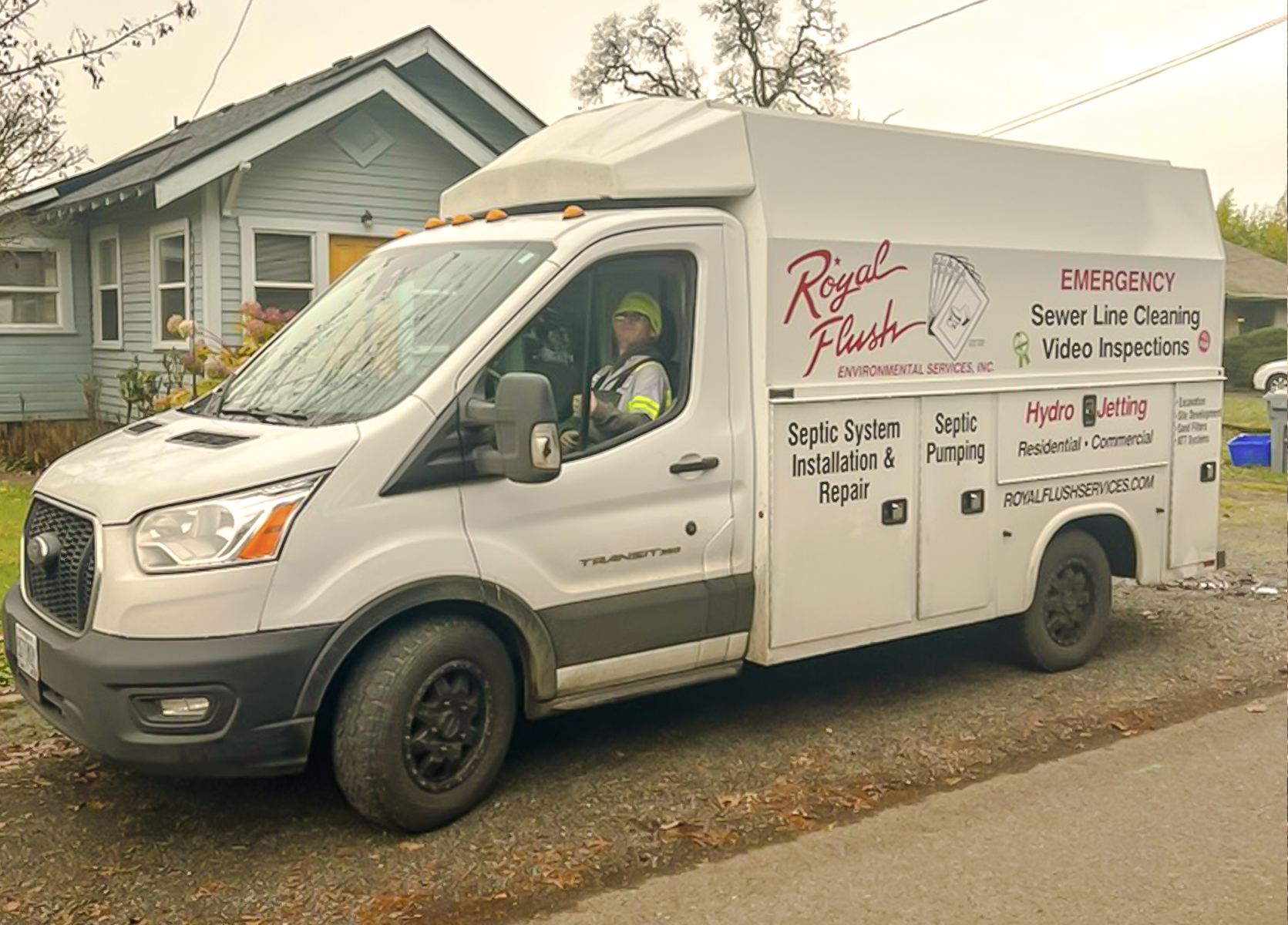
Royal Flush Environmental Services is a plumbing company offering a full range of septic system services, including cleaning, installation, and repairs. Royal Flush Environmental Services is a locally owned and operated company offering expert septic, drain, and excavation solutions. Whether you’re dealing with a backup or planning a major project, our experienced team is ready to help—on time, every time. Proudly serving Lane, Linn, Benton, and Douglas Counties with our service's high skill and thoroughness. No job is too big or small for our highly skilled team.
2640 State Hwy 99 N, Eugene, OR 97402
Business Hours
Homeowners usually satisfy their septic system on a bad day. Toilets burp, tubs drain like maple syrup, a patch of the backyard turns squishy. The very first call goes to a relied on pro for septic repair or emergency situation drain cleaning, and for a while that works. But there comes a point when the repair never lasts. At that fork in the road, a brand-new septic installation is not just a larger costs, it is a smarter financial investment that resolves the root issue and safeguards the house.
I have crawled through sufficient basements and collected adequate yards to know that timing matters. Change prematurely and you burn cash. Wait too long and you risk property damage, health risks, and intensifying costs that make you wish you had actually shot previously. This guide sets out the signals, trade‑offs, and useful information so you can make a positive call.
The life you can anticipate from a healthy system
A well installed, well maintained traditional septic system needs to deliver 2 to 3 decades of service. I see concrete tanks from the early 1990s still working fine since the owners kept up with septic pumping and avoided overwhelming the field. Leach fields can last 15 to thirty years in good soil, in some cases longer in sand, in some cases shorter in heavy clay. Plastic or fiberglass tanks resist rust much better than old steel tanks, which can fail in just 15 years. Systems with advanced treatment units work hard to polish effluent, however the mechanical parts may need more frequent service.
Those ranges assume regular pumping, conservative water use, and no significant abuse. A handful of wipes here, a forgotten waste disposal unit there, and saturation from a spring damp year can shorten the clock.
What repeated repairs are telling you
I consider short‑interval repeat calls as a story with clues. If I have actually gone to the exact same home 3 times in 18 months for the same concern, it is not a coincidence. A line blockage that keeps returning usually hints at among 3 things: structural flaws like bellied or squashed piping, intrusion like roots or silt, or a stopping working leach field that is imitating a plug downstream. Similar patterns appear with other symptoms.

A few examples from jobs that stick with me:
-
A cape on a little lot with a 1980s steel tank. The homeowners needed sewer cleaning every six months. Video showed roots lacing a clay line, however the larger idea was a liquid level in the tank that sat above the outlet baffle. The field was filled. Cutting roots purchased them 90 days each time. New PVC lines and a new drainfield ended the cycle.
-
A ranch in clay soil with a driveway growth constructed over part of the field. After each heavy rain, the basement toilet gurgled, and we did two emergency drain cleaning check outs in one season. A dye test proved that surface water was sheeting into the field and the compaction from the driveway had ruined seepage. The service was a revamped field uphill with proper grading and a drape drain.
-
A weekend cabin that the owners became a short‑term rental. Tenancy leapt from 2 to eight individuals on holidays. They included a hot tub that discharged to the backyard near the leach bed. Over six months, effluent kept backing up. The system was undersized for the new usage. An updated tank and expanded field fixed the issue. No amount of jetting or pumping would have stretched the original system to fit the new flow.
When a brand-new system beats more repairs
Here are the clearest green lights for moving from a patch to a full septic installation:
- The leach field fails a percolation or hydraulic load test, or the tank liquid level regularly trips above the outlet.
- Wastewater supports after rain or snowmelt, and there is no structural obstruction in your home line.
- Multiple septic repair calls within a year for the very same symptom, with diminishing benefit from each service.
- A steel tank reveals sophisticated deterioration, holes, or collapsed top, or a concrete tank has spalling and exposed rebar.
- Planned home upgrades would overload the current system by bed room count, fixture systems, or day-to-day flow.
When two or more of those hold true, replacement is typically the cheaper course over a 5 to ten years horizon. The math is straightforward. An emergency situation require sewer cleaning on a Saturday might run a few hundred dollars each go to, more if devices is required. If you repeat that every couple of months, and add pumping each time, you can invest a large fraction of a new set up without curing the underlying failure.
What repairs can still make sense
There are sincere fixes that provide real life extension. I advise them when the field is healthy and the issue is upstream, or when a contained part is worn out.
A few excellent prospects:
-
Roots in the line in between your house and tank, specifically with older clay or Orangeburg pipeline. Changing that run with PVC and adding cleanouts is cash well spent.
-
Broken or missing baffles. New effluent filters and plastic tee baffles assistance keep solids out of the field. Set this work with extensive septic pumping to reset the system.
-
Grease blockages from a kitchen line. Warm water and drain cleaning can cut through the cap, and a gentle talk about what goes down the sink prevents the comeback.
-
Minor flow‑related strain. Low flow components, staggered laundry, and fixing leaking toilets can drop day-to-day gallons enough to let a tired field breathe.
I get cautious around pledges to resurrect dead fields with wonder additives or aggressive jetting. Aeration retrofits that turn a basic tank into a mini treatment plant can operate in particular cases, however they are not a cure‑all and they include upkeep commitments. If the soil will decline water, you will still need more or various soil.
Cost truth, and how to compare options
Prices visit area, soil, access, and system type. In the Midwest, I have actually billed traditional gravity systems from about 9,000 to 18,000 dollars. In rocky New England or the Pacific Northwest, similar work can land in between 15,000 and 30,000. Advanced systems with pumps, treatment systems, or mounds can reach 25,000 to 50,000. Allowing and engineering can be a couple of thousand on top. If you require blasting, tree elimination, or long site restoration, anticipate more.
Repairs vary too. Replacing a house line to the tank is often 2,000 to 6,000 depending on length and depth. A tank swap can be 5,000 to 12,000, more if there is tight gain access to or dewatering. Effluent filters and risers include hundreds, not thousands. Repeated sewer cleaning and drain cleaning calls appearance cheap up until you include them with time, and they do not raise your residential or commercial property worth the way a documented new system will.
When I help customers weigh options, we do a basic repayment check. If expected repairs over the next 3 years will amount to more than 40 to 60 percent of a correctly sized brand-new installation, and the risk of a health department notification is climbing up, replacement typically wins. Add the non‑monetary expense of stress, service interruptions, and potential interior damage. It deserves something not to dread the next holiday gathering.
Getting the medical diagnosis right
Before anybody begins drawing a new layout, collect truths. An extensive evaluation includes a tank inspection with lids opened, sludge and scum measurements, confirmation that inlet and outlet baffles are undamaged, and a take a look at the drainfield behavior under circulation. On site, I like to run water from a tub for 15 to 20 minutes and see the outlet. If the tank outlet immerses and remains there, or if the field shows emerging, that is strong proof of field failure. If the tank level drops typically, attention shifts upstream to your house line.
Camera inspections tell the fact about lines, but they need to be done thoughtfully. Pressing a cam through an almost complete tank informs you little bit. Cleaning the line initially with appropriate drain cleaning, then inspecting, offers a clean read. In many cases, a hydraulic load test under the county's requirements gets rid of any doubt about the field's capacity.
Soil and site conditions matter. A perc test or soil evaluation will determine texture, depth to restrictive layers, and seasonal water table. Those results, together with problems and available area, identify what systems are permitted and wise for the property.
Choosing the best system for your site
There is nobody size fits all. I keep a short psychological map of typical options and where they shine.
-
Gravity standard: The most basic path when the soil percs well and there is enough fall. Few moving parts, least expensive maintenance, longest life when protected.
-
Pressure distribution: A pump moves effluent to the field in timed dosages. Great for even distribution over larger or marginal areas. Needs dependable power and pump service.
-
Mound systems: Constructed where the natural soil is too shallow. A sand fill and raised bed create correct treatment density. Visually obvious however effective when designed well.
-
Drip or low pressure pipeline: Useful on challenging lots with trees or shallow soils. Even dosing assists secure soil. More elements and filters to maintain.
-
Aerobic treatment units: Mechanically deal with wastewater in the tank, producing cleaner effluent that can go to smaller sized or alternative dispersal areas. Requires routine servicing.
Material options count. Concrete tanks are strong and steady, but they must be well made to withstand sulfide rust, particularly if the tank sits partially empty for long stretches. Plastic tanks are light and simple to navigate, frequently the only option on tight or damp sites, but they need correct bedding and backfill to prevent distortion. Chambers rather of gravel in the field can speed installation and work well in some soils, although they may not be allowed everywhere.
How daily habits converge with system choice
A system does not run in a vacuum. Household size, laundry patterns, and cooking area habits press systems towards or far from the edge. When a home doubles during vacations, I like to develop with a buffer. That may suggest a somewhat bigger tank or timed dosing that spreads circulation. If a customer runs a home beauty salon or does a great deal of canning, grease and hair loads can change what filters and cleanouts I recommend.
Conserving water is not just virtue. A leaking toilet can add 100 to 200 gallons each day, almost half of what a 3 bed room system is sized for. Repairing leaks, spreading out wash loads, and avoiding the waste disposal unit do more than feel accountable. They extend field life. No repair, no installation, can outwork poor habits forever.
Septic pumping is not optional
Regular septic pumping is the most affordable insurance you can buy for a long lived system. For a normal home, every 2 to 3 years works. A little tank or a big family can call for yearly service. A new installation ought to consist of risers to grade so pumping and inspection are painless. Keep records. Health departments and future buyers care, and a well recorded file pays off.
Pumping does not repair a failed field, but it avoids extra solids from rinsing and making a marginal circumstance even worse. It also offers us eyes on the system before a crisis. I have captured split baffles and early rust during routine pumping that avoided larger headaches.
What about sewer cleaning and drain cleaning on a septic property
The terms make individuals think of city sewers, but they apply to septic systems too. The line from your house to the tank can block with paper, grease, roots, or droops, and an excellent drain cleaning company clears the course. The difference with a septic residential or commercial property is level of sensitivity to where particles goes. Experts who understand septic will pull and clean effluent filters, avoid pushing heavy root mats into the tank, and will not jet strongly into the field. They will also spot when a blockage is a sign of downstream failure.
If you call for sewer cleaning twice a year, stop and request a cam and a septic specialist's eyes. You may be rearranging deck chairs.
How permits and inspections fit in
A brand-new septic installation involves more than a backhoe. Plan on a site evaluation and design by a certified engineer or designer if your jurisdiction needs it, a permit from the health department, and several inspections throughout building. Timelines vary. I have actually pulled authorizations in a week in small towns, and waited six weeks in busy counties. Factor weather condition. Frozen ground slows work and requires extra care to safeguard soils, but winter season installs are possible with planning.
Mapping existing energies, calling 811 for locates, and marking the area protect everybody. Excellent specialists will picture and document the completed system, including measurement from repaired indicate tank lids and circulation boxes. You will desire those notes later.
Living through the set up without losing your mind
A well run project has a rhythm. Very first check out is examination and conversation, then design and allowing. One preconstruction meeting on site with the installer, engineer, and you sets expectations. We speak about gain access to courses, tree defense, where spoils will sit, and how the lawn will be restored.
On dig day, the crew keeps the location cool and the trench walls safe. The tank goes in level, bedded effectively. Piping slopes are talked to a level, not an eyeball. If there is a pump, the electrical is done by a qualified technician, with an outdoor rated disconnect and alarms you can hear. Before backfill, an inspector checks elevations and parts. Backfill happens in lifts to decrease settling. If it is a mound or raised bed, the sand and soil layers are placed gently and not compacted by driving over them.
Restoration is more than tossing seed. In a muddy season, I suggest waiting for drier weather condition to finish grading. Straw assists. New systems like to breathe. Forget planting a tree over your brand brand-new field.
Financing, resale, and peace of mind
Sticker shock is genuine, and I have seen great projects stalled for months while families figure out funding. Some counties have low interest programs for changing stopping working systems. Home equity lines are common tools. Sometimes, a seller and purchaser will divide expenses at closing with an escrow arrangement. Keep receipts, permits, and as‑builts. A brand-new septic system can be a selling point, particularly with today's inspection requirements.
Beyond cash, there is the relief factor. One household I helped in 2015 had actually lived with weekend backflows for two summer seasons. After the new install, they hosted Thanksgiving for twelve without a hiccup. No one ran to the basement to inspect the flooring drain. That feeling is hard to price.
Edge cases and judgment calls
A couple of situations turn up frequently and be worthy of nuance.
Short timelines to offer. If you are listing in 60 days and the system is minimal, a frank discussion with your representative and a local septic pro can conserve surprises. Some buyers will accept a credit, others will need septic installation before closing. A partial repair that passes inspection today however plainly requires replacement soon can be a bridge, but only when all celebrations have the same information.
Seasonal cabins. If a system only sees use a few months a year, sludge develops more gradually, and soils might rest enough between visits to limp along. You might stretch years from a light‑use system with steady septic pumping and occasional drain cleaning. However when visitors stack in and laundry runs round the clock, the system can tip fast. Do not design for the quietest week. Design for the busiest.
Restaurant or home based business. High grease loads or disinfectants can distress a system. A grease interceptor on cooking area lines and care with chemical disposal avoid blockages and dead bacteria in the tank. If you run a day care or hair salon in your home, sewer cleaning talk with the health department. You might set off industrial requirements that alter the system design.
Tight lots and water bodies. Setbacks to wells, lakes, and home lines can pinch choices. Leak dispersal, aerobic treatment units, or dosing fields might be the only legal path. Expect more design time and more stringent maintenance responsibilities. These systems can perform beautifully when cared for.
Cold climates. Deep frost lines demand appropriate burial depth and insulation strategies. Do not run roof or sump water into the septic. Keep traffic off the field in winter season. If a shallow part freezes, gave up utilizing water for a bit and call a pro. Heat tape and momentary procedures can purchase time, but the repair is generally grade and drain adjustments or element insulation, not strength thawing.
Maintenance after a brand-new install
The task is not over when the backhoe leaves. A clever maintenance strategy consists of regular septic pumping, filter cleaning, and a quick check of alarms and pumps if you have them. I encourage owners to pop lids every now and then. If you are not comfy, schedule a fast service go to. Early eyes capture concerns before they are expensive.
Write down a few house rules. Flush just the obvious. Spread laundry over the week. Keep vehicles, sheds, and wading pool off the field. Divert roofing system gutters away. Beware with water conditioner discharge in delicate soils. And label the panel and breaker for any pumps so guests do not kill the power by accident.
How to talk to your contractor
A good septic installer is part engineer, part excavator, part therapist. Ask particular questions.
-
What system types are allowed for my soil and lot, and why are you advising this one?
-
How will you protect my yard and utilities during work?
-
What are the precise components, tank size, and pipeline materials?
-
What maintenance does this system require, and who can service it?
-
What are the total expenses, consisting of licenses, electrical, and restoration?
If a bidder can not explain slope, dosing, or soil user interfaces in plain language, keep shopping. And do not chase after the most affordable number if the plan feels thin. The cheapest bid that requires revamp next year is not the cheapest.
How septic pumping, sewer cleaning, and repairs fit after replacement
Replacing the system does not mean you will never ever call for service again. You ought to still schedule septic pumping at the advised interval, inspect and tidy filters, and sometimes call for drain cleaning if a house line backs up. The difference is that these calls deal with typical wear and tear, not an essential inequality between wastewater and soil. When service is proactive, your system remains undetectable, which is the highest compliment a septic system can earn.
The quiet payoff
A septic installation is not as enjoyable to spend on as a cooking area remodel. It conceals underground and leaves you with a seeded spot of yard and a folder of documentation. Yet, when you stop needing emergency sewer cleaning, when heavy rain no longer brings dread, and when your home works once again without effort, the value is obvious.
If you are on the fence between one more septic repair and a full replacement, step back and look at the pattern. Add up the last two years of calls. Consider your plans for your home. Get a genuine diagnosis, ask pointed questions, and select a system that fits the soil and the life you lead. The ideal decision will feel solid, not like a gamble. And with a little care, you will not think of your septic system again for a very long time.
Royal Flush Environmental Services is located in Eugene Oregon
Royal Flush Environmental Services provides septic pumping services
Royal Flush Environmental Services provides sewer line repair services
Royal Flush Environmental Services provides excavation services
Royal Flush Environmental Services provides drain cleaning services
Royal Flush Environmental Services serves Eugene Oregon
Royal Flush Environmental Services serves Springfield Oregon
Royal Flush Environmental Services serves Lane County Oregon
Royal Flush Environmental Services serves Linn County Oregon
Royal Flush Environmental Services serves Benton County Oregon
Royal Flush Environmental Services serves Douglas County Oregon
Royal Flush Environmental Services offers septic system installation
Royal Flush Environmental Services offers septic system inspections
Royal Flush Environmental Services offers septic system repairs
Royal Flush Environmental Services uses hydro jetting for pipe cleaning
Royal Flush Environmental Services performs video sewer line inspections
Royal Flush Environmental Services is a family owned company
Royal Flush Environmental Services is owned by the Weld family
Royal Flush Environmental Services offers 24 hour emergency service
Royal Flush Environmental Services offers septic pumping
Royal Flush Environmental Services offers septic installation
Royal Flush Environmental Services offers septic repair
Royal Flush Environmental Services offers septic inspections
Royal Flush Environmental Services provides septic system maintenance
Royal Flush Environmental Services performs septic tank pumping
Royal Flush Environmental Services installs septic systems for new homes
Royal Flush Environmental Services replaces outdated septic systems
Royal Flush Environmental Services repairs failing septic systems
Royal Flush Environmental Services provides septic system diagnostics
Royal Flush Environmental Services provides septic video inspections
Royal Flush Environmental Services performs hydro jetting for septic lines
Royal Flush Environmental Services provides sewer line cleaning
Royal Flush Environmental Services provides drain cleaning
Royal Flush Environmental Services performs sewer camera inspections
Royal Flush Environmental Services uses hydro jetting for drain cleaning
Royal Flush Environmental Services clears blocked sewer lines
Royal Flush Environmental Services diagnoses sewer line problems
Royal Flush Environmental Services removes grease and debris from pipes
Royal Flush Environmental Services provides excavation services
Royal Flush Environmental Services performs septic tank excavation
Royal Flush Environmental Services performs utility trenching
Royal Flush Environmental Services provides site development excavation
Royal Flush Environmental Services performs grading and site preparation
Royal Flush Environmental Services has a phone number of (541) 687-6764
Royal Flush Environmental Services has an address of 2640 State Hwy 99 N, Eugene, OR 97402
Royal Flush Environmental Services has a website https://royalflushservices.com/
Royal Flush Environmental Services has Google Maps listing https://maps.app.goo.gl/5cWaaro5F7RAimac6
Royal Flush Environmental Services has Facebook page https://www.facebook.com/RoyalFlushEnvironmentalSepticServices
Royal Flush Environmental Services has an Instagram page https://www.instagram.com/royal.flush.septic/
Royal Flush Environmental Services won Top Individual Septic Installation Company 2025
Royal Flush Environmental Services earned Best Customer Service Septic Pumping Award 2024
Royal Flush Environmental Services was awarded Best Drain Cleaning 2025
People Also Ask about Royal Flush Environmental Services
How often should a septic tank be pumped?
Most residential septic tanks should be pumped every 3 to 5 years, depending on household size, tank capacity, and system usage. Regular pumping helps prevent backups, odors, and costly repairs.
What are the signs that my septic system needs service?
Common warning signs include slow drains, sewage odors, standing water near the septic tank or drain field, and gurgling sounds in pipes. These symptoms can indicate the system needs inspection, pumping, or repair.
What does septic pumping do?
Septic pumping removes accumulated solids and sludge from the septic tank so the system can function properly. Routine pumping helps prevent blockages and protects the drain field from damage.
When should a septic system be inspected?
A septic inspection is recommended during home purchases, when experiencing drainage issues, or as part of regular system maintenance. Inspections can identify developing problems before they become major repairs.
What happens during a video sewer or septic inspection?
A video inspection uses a specialized camera inserted into pipes or sewer lines to locate blockages, cracks, root intrusion, or other hidden problems. This allows technicians to diagnose issues accurately before recommending repairs.
Can Royal Flush Environmental Services install a new septic system?
Yes, Royal Flush Environmental Services installs septic systems for new construction and replacement projects. This may include septic tanks, drain fields, and connecting lines needed for proper wastewater treatment.
What septic repairs are commonly needed?
Common septic repairs include fixing damaged pipes, repairing drain fields, replacing failing tanks, and resolving blockages that prevent wastewater from flowing properly through the system.
What is hydro jetting for sewer and drain lines?
Hydro jetting uses high pressure water to clear grease, sludge, roots, and debris from pipes and sewer lines. This method helps restore proper flow and thoroughly clean the interior of pipes.
Do you offer sewer line cleaning services?
Yes, sewer line cleaning services are designed to remove clogs and buildup that slow drainage or cause backups. Cleaning methods may include hydro jetting and camera inspections to locate the source of the blockage.
Do you provide excavation services for septic projects?
Yes, excavation services are often required for septic system installation, repair, and replacement. Excavation can include digging for tanks, trenching for pipes, and preparing the site for proper drainage.
What types of excavation services are offered?
Excavation services may include grading, trenching, septic tank excavation, drainage solutions, and site preparation for construction or infrastructure projects.
Can excavation help with drainage problems?
Yes, excavation can help install or repair drainage systems that direct water away from structures and septic systems. Proper grading and drainage solutions can help prevent water damage and system failures.
Do you install underground utility lines?
Yes! Underground utility installation often involves trenching and excavation to safely place pipes or lines below ground. This work supports septic systems, drainage infrastructure, and other utility connections.
Do you offer emergency septic or sewer services?
Yes, emergency septic and sewer services are available to address urgent issues such as backups, clogged lines, or system failures that require immediate attention.
Where is Royal Flush Environmental Services located?
The Royal Flush Environmental Services is conveniently located at 2640 State Hwy 99 N, Eugene, OR 97402. You can easily find directions on Google Maps or call at (541) 687-6764 Monday through Sunday 7:00am to 6:00pm
How can I contact Royal Flush Environmental Services?
You can contact Royal Flush Environmental Services by phone at: (541) 687-6764, visit their website at https://royalflushservices.com/ or connect on social media via Facebook or Instagram
After browsing Eugene Saturday Market, nearby residents often prioritize drain cleaning, sewer cleaning, septic pumping, septic installation, and septic repair before small issues become big ones.